

Simple Extractions

Simple Tooth Extractions in Apex, NC
Nobody books a dental visit hoping to have a tooth taken out. But when a tooth is cracked past repair, decayed below the point a filling can help, or crowding everything around it, removing it is often what stops the pain and protects the rest of your mouth. Tomasheski Family Dentistry performs tooth removal for patients of every age at our family-owned practice in Apex, NC, and we approach it the way we approach everything else here: explain it first, answer your questions, then get it done comfortably.
What Is a Simple Dental Extraction?
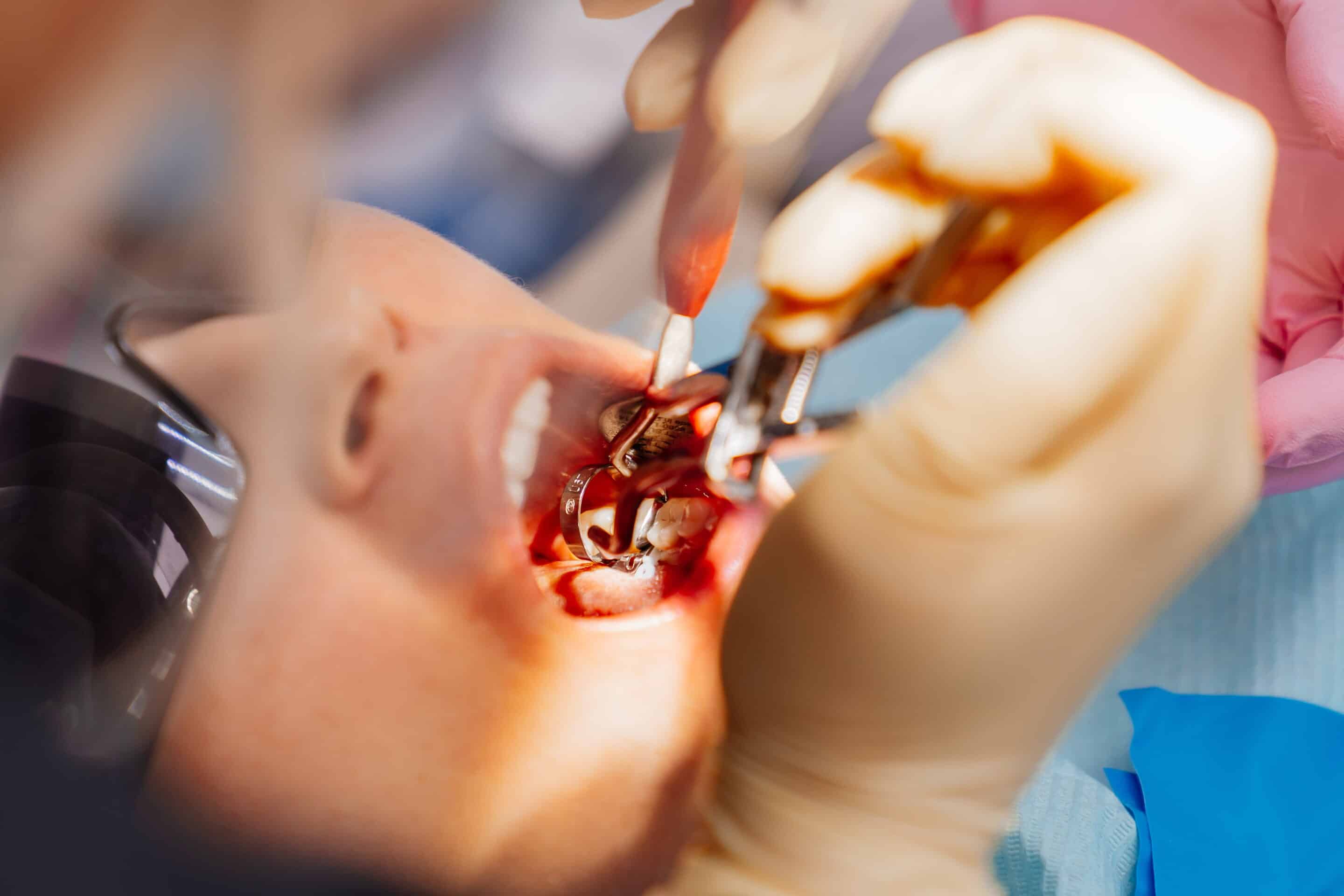
A simple dental extraction is the removal of a tooth that is fully visible above the gumline, done with two instruments. An elevator loosens the tooth in its socket, and forceps lift it out. There is no incision, no bone removal, and in most cases no stitches.
How Is a Simple Extraction Different from a Surgical One?
The difference is what has to happen to get the tooth out, not how serious your situation is.
- A non-surgical tooth extraction uses elevation and forceps only, and the tooth comes out in one piece
- A surgical extraction involves removing a small amount of bone, sectioning the tooth into pieces, or lifting a gum flap to reach the roots
- Teeth that have fractured at the gumline, have curved or hooked roots, or sit partly under gum or bone typically call for the surgical approach
We perform most simple extractions and many surgical ones right here.
What Is a Simple Dental Extraction?
A simple dental extraction is the removal of a tooth that is fully visible above the gumline, done with two instruments. An elevator loosens the tooth in its socket, and forceps lift it out. There is no incision, no bone removal, and in most cases no stitches.
How Is a Simple Extraction Different from a Surgical One?
The difference is what has to happen to get the tooth out, not how serious your situation is.
- A non-surgical tooth extraction uses elevation and forceps only, and the tooth comes out in one piece
- A surgical extraction involves removing a small amount of bone, sectioning the tooth into pieces, or lifting a gum flap to reach the roots
- Teeth that have fractured at the gumline, have curved or hooked roots, or sit partly under gum or bone typically call for the surgical approach
We perform most simple extractions and many surgical ones right here.
- Gums that bleed or look swollen when you brush or floss
- Soreness or tenderness around the gums, though many patients feel no pain at all in the early stages
- Persistent bad breath that doesn’t clear up with brushing
- Teeth that feel loose or have started to shift
- A hard, rough buildup of tartar you can feel with your tongue
Clinically, we look for the same signs from our side: deeper pocket depths, bleeding on probing, inflamed gum tissue, and plaque or tartar buildup along the roots. Bleeding gums treatment and gum recession care are both far simpler and more comfortable when we catch the problem early.
Experience our unique approach to dentistry.
Schedule your visit today!
When Does a Tooth Need to Come Out?
A tooth may need to come out for a variety of reasons.
- Decay that extends too far under the gumline for a filling or crown to restore
- A fracture that splits the tooth or runs down into the root
- Infection that has not resolved with root canal treatment
- Advanced gum disease that has loosened the tooth in its socket
- Crowding that has to be relieved before braces or aligners can move teeth into place
We do not jump to removal. If a crown, a filling, or root canal therapy can save the tooth, that conversation happens first, with the trade-offs laid out plainly.
Do You Remove Wisdom Teeth at Your Office?
Usually not. We refer most wisdom tooth patients to an oral surgeon we trust, specifically so you can use the sedation options an oral surgery practice offers.
Third molars sit at the very back of the jaw, often angled and still partly under bone, and that combination generally calls for deeper sedation than a general dental office provides. Pointing you to the right provider is part of comprehensive care. For everything we handle under our own roof, see the oral surgery procedures we perform in house.
What Happens During the Appointment?
We walk you through the whole tooth extraction procedure before we begin and answer every question while you are still sitting up.
- We review what we are doing and what you will feel, step by step
- The area is numbed thoroughly, and we wait until you confirm it has fully taken
- The tooth is loosened and lifted out, often in just a few minutes
- Gauze and firm pressure bring the bleeding under control
- We go over your aftercare instructions out loud before you head home
You will feel pressure and some movement. That is expected, and it is not the same thing as pain.
Does Having a Tooth Pulled Hurt?
No. You should feel pressure, not sharp pain.
Anesthetic blocks the nerve supplying the tooth, and we do not start until you tell us the area is numb. If anything sharp registers during the visit, say so and we will add more on the spot. For patients who get anxious about dental work, nitrous oxide is available and takes the edge off without leaving you groggy. Expect your jaw to feel sore for a couple of days once the numbness wears off.
How Do I Care for the Extraction Site Afterward?
Keep firm pressure on the gauze and leave the blood clot alone. Those two things do most of the work.
- Bite down on gauze and change it about every 20 minutes until the bleeding stops
- Take ibuprofen or acetaminophen as needed for the first few days
- Chew on the opposite side so food does not pack into the socket
- Skip heavy exercise for a day or two
- Do not smoke, drink through a straw, or rinse forcefully while the clot is setting
That last one matters more than it sounds. The clot that forms in the socket shields the bone and nerve underneath while new tissue grows in, and knocking it loose early can lead to dry socket, which hurts and adds days to your healing.
How Long Does Healing Take?
Most people feel close to normal within two to three days, and the gum tissue closes over the socket in roughly two to three weeks.
Extraction site healing follows a predictable arc. The soft tissue seals first, then the bone underneath fills in gradually over the next several months. Most patients go back to work or school the following day. Call our office if bleeding has not stopped after several hours, if pain climbs instead of fading after day three, or if you develop swelling and a fever. Those are worth checking, though tooth extraction recovery rarely produces them.
How Long Does Healing Take?
Most people feel close to normal within two to three days, and the gum tissue closes over the socket in roughly two to three weeks.
Extraction site healing follows a predictable arc. The soft tissue seals first, then the bone underneath fills in gradually over the next several months. Most patients go back to work or school the following day. Call our office if bleeding has not stopped after several hours, if pain climbs instead of fading after day three, or if you develop swelling and a fever. Those are worth checking, though tooth extraction recovery rarely produces them.
What Are My Options for Replacing the Tooth?
If the tooth was visible when you smiled or carried real chewing load, plan on replacing it.
A gap left open lets neighboring teeth drift and the bone underneath shrink. Implants, bridges, and partial dentures all close it, and the right choice depends on where the tooth was located and what your bite needs. Because implants, crowns, and bridges are handled in house, we can map the replacement before we remove anything, including socket preservation grafting when it sets up a better implant later. Browse everything we provide across restorative and cosmetic care.
How Much Does It Cost to Have a Tooth Pulled?
It depends on the tooth, how it sits, and the specifics of your dental plan, so there is no honest flat answer.
What we can promise is that you will not find out after the fact. We review your benefits, confirm what your plan covers, and put your actual out-of-pocket responsibility in front of you before treatment is scheduled.
Why Choose Tomasheski Family Dentistry for Tooth Removal
Because you are treated by two dentists who know your history, not whoever happens to be on the schedule that week.
Dr. John Tomasheski and Dr. Kimberley Tomasheski both graduated with honors and both completed hospital-based residencies, which is where a dentist learns to treat medically complex patients and handle cases the textbook does not cover. Dr. John has been with Spear Education since 2016 and meets monthly with a study club of specialists and general dentists to review live cases.
That training buys you judgment. Gentle tooth removal is partly technique and partly knowing when a tooth should not come out at all. Add a family-owned office where the same team greets you every visit, and you get what most people actually want from a dentist: someone who knows you and tells you the truth.
Book Your Visit with the Tomasheski Family Dentistry Team
If a tooth is aching, loose, or broken, waiting rarely makes it simpler or cheaper to deal with. Call us, send a text, or fill out the appointment request form, and we will take a look and tell you plainly what we see. Whether you need a simple tooth extraction in Apex, NC, or a second opinion on one that was recommended somewhere else, Tomasheski Family Dentistry will lay out the whole picture before you decide anything.