
Oral Cancer Screenings
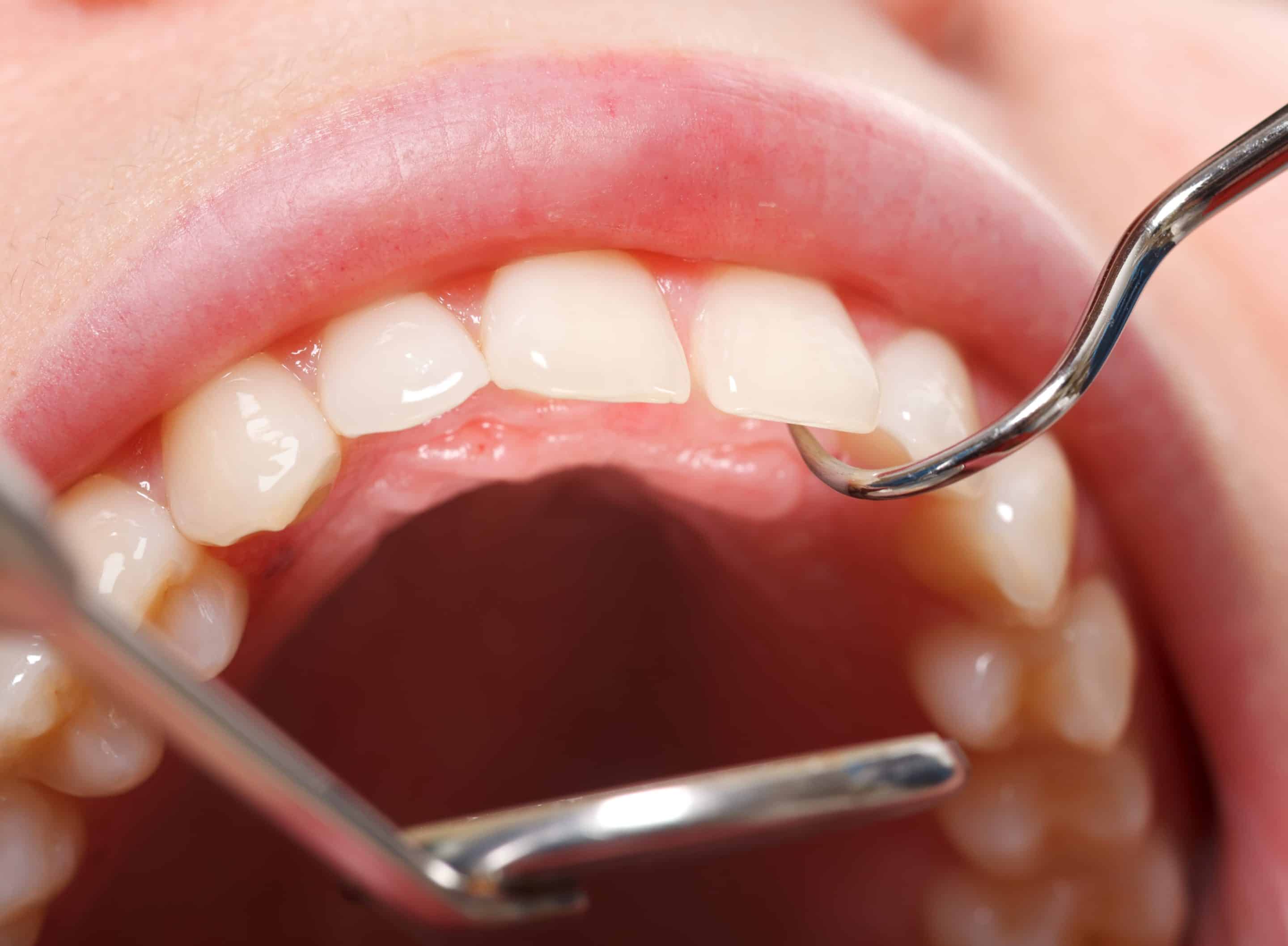
Oral Cancer Screenings In Apex, NC
Tomasheski Family Dentistry provides oral cancer screenings as a valuable part of your comprehensive oral exam and ongoing preventive dental care. During your visit, our team evaluates more than your teeth. We also check the soft tissues inside and outside the mouth for changes that may need attention.
As a small family practice, we focus on building long-term relationships with patients, offering clear guidance, and helping each person feel comfortable throughout their care.
What Is An Oral Cancer Screening?
An oral cancer screening is an evaluation of the mouth and surrounding tissues for areas that may appear abnormal, precancerous, or cancerous. This includes checking the lips, tongue, cheeks, gums, roof of the mouth, floor of the mouth, throat, jaw, face, and neck.
During this type of oral pathology evaluation, our team looks for changes in tissue color, texture, shape, and symmetry. The screening is performed both intraorally and extraorally, meaning we examine areas inside the mouth as well as areas outside the mouth and around the face and neck.
Why Are Oral Cancer Screenings Important?
Early detection can save lives. When unusual tissue changes are recognized sooner, patients may have a better long-term prognosis and a greater opportunity for timely treatment if additional care is needed.
Preventive Screening During Routine Dental Care
An oral health risk assessment is an important part of preventive dentistry because many early changes may not cause pain. Some patients may not notice a sore, patch, lump, or texture change until it has been present for some time.
By including this evaluation during routine exams, our team can help identify concerns earlier and guide patients through the next steps with a calm, supportive approach.
What Is An Oral Cancer Screening?
An oral cancer screening is an evaluation of the mouth and surrounding tissues for areas that may appear abnormal, precancerous, or cancerous. This includes checking the lips, tongue, cheeks, gums, roof of the mouth, floor of the mouth, throat, jaw, face, and neck.
During this type of oral pathology evaluation, our team looks for changes in tissue color, texture, shape, and symmetry. The screening is performed both intraorally and extraorally, meaning we examine areas inside the mouth as well as areas outside the mouth and around the face and neck.
Why Are Oral Cancer Screenings Important?
Early detection can save lives. When unusual tissue changes are recognized sooner, patients may have a better long-term prognosis and a greater opportunity for timely treatment if additional care is needed.
Preventive Screening During Routine Dental Care
An oral health risk assessment is an important part of preventive dentistry because many early changes may not cause pain. Some patients may not notice a sore, patch, lump, or texture change until it has been present for some time.
By including this evaluation during routine exams, our team can help identify concerns earlier and guide patients through the next steps with a calm, supportive approach.
Experience our unique approach to dentistry. Schedule your visit today!
What Happens During An Oral Cancer Exam?
During your screening, we complete a careful visual and tactile evaluation of the tissues inside and outside the mouth. The process is simple, non-invasive, and designed to be part of a thorough dental exam.
Your evaluation may include:
- A visual check of the lips, cheeks, gums, tongue, roof of the mouth, floor of the mouth, and throat
- A tactile check for lumps, bumps, swelling, or unusual texture
- An extraoral review of the jaw, face, neck, and surrounding areas
- A discussion about current or previous tobacco use
- A review of any symptoms, concerns, or changes you have noticed
- Guidance on next steps if an area appears unusual
How Often Should I Get An Oral Cancer Screening?
A thorough evaluation is completed during a patient’s initial comprehensive exam and reevaluated at recall visits by the hygienist and dentist. For many patients, this means the screening is included as part of ongoing preventive visits.
Some patients may benefit from closer monitoring based on their health history, symptoms, tobacco use, previous abnormal findings, or other risk factors. Our team will provide guidance based on your needs rather than using a one-size-fits-all approach.
Consistent dental visits allow us to compare tissue changes over time and help patients stay proactive about their oral and overall health.
What Happens During An Oral Cancer Exam?
During your screening, we complete a careful visual and tactile evaluation of the tissues inside and outside the mouth. The process is simple, non-invasive, and designed to be part of a thorough dental exam.
Your evaluation may include:
- A visual check of the lips, cheeks, gums, tongue, roof of the mouth, floor of the mouth, and throat
- A tactile check for lumps, bumps, swelling, or unusual texture
- An extraoral review of the jaw, face, neck, and surrounding areas
- A discussion about current or previous tobacco use
- A review of any symptoms, concerns, or changes you have noticed
- Guidance on next steps if an area appears unusual
How Often Should I Get An Oral Cancer Screening?
A thorough evaluation is completed during a patient’s initial comprehensive exam and reevaluated at recall visits by the hygienist and dentist. For many patients, this means the screening is included as part of ongoing preventive visits.
Some patients may benefit from closer monitoring based on their health history, symptoms, tobacco use, previous abnormal findings, or other risk factors. Our team will provide guidance based on your needs rather than using a one-size-fits-all approach.
Consistent dental visits allow us to compare tissue changes over time and help patients stay proactive about their oral and overall health.
What Are The Early Signs Of Oral Cancer?
Early signs can vary. Some changes may be easy to overlook, especially if they are not painful. We encourage patients to schedule an evaluation if something looks or feels different and does not improve.
Oral Pathology Warning Signs To Watch For
Possible warning signs may include:
- Lumps or bumps in the mouth, jaw, face, or neck
- Red or white patches
- Changes in tissue color
- Changes in surface texture
- Unusual asymmetry
- Sores that do not heal
- Bleeding, numbness, tenderness, or persistent irritation
- Difficulty chewing, swallowing, speaking, or moving the tongue or jaw
Not every change is cancerous. However, any persistent or unusual change should be evaluated so you can receive clear answers and appropriate guidance.
Who Is At Higher Risk For Oral Cancer?
Risk can vary from person to person. During your screening, we may ask questions about your health history, lifestyle, and any symptoms you have noticed.
Patients may have a higher risk if they have:
- Current or previous tobacco use
- Heavy alcohol use
- A history of oral cancer or abnormal oral lesions
- Prolonged sun exposure affecting the lips
- HPV-related risk factors
- Certain health history concerns
- Persistent mouth sores or tissue changes
Tobacco use is highly associated with oral cancer, so we ask about previous and current use as part of the screening process. These questions help us better understand your risk and provide more personalized preventive guidance.
Who Is At Higher Risk For Oral Cancer?
Risk can vary from person to person. During your screening, we may ask questions about your health history, lifestyle, and any symptoms you have noticed.
Patients may have a higher risk if they have:
- Current or previous tobacco use
- Heavy alcohol use
- A history of oral cancer or abnormal oral lesions
- Prolonged sun exposure affecting the lips
- HPV-related risk factors
- Certain health history concerns
- Persistent mouth sores or tissue changes
Tobacco use is highly associated with oral cancer, so we ask about previous and current use as part of the screening process. These questions help us better understand your risk and provide more personalized preventive guidance.
How Long Does An Oral Cancer Screening Take?
The screening is typically brief and completed as part of a comprehensive or periodic dental exam. In many cases, it adds only a small amount of time to the visit.
If you have symptoms, risk factors, or an area that needs closer attention, we may spend additional time evaluating the tissue and discussing what we see. We want patients to feel informed, not rushed, especially when a concern involves changes in the mouth or surrounding tissues.
Why Choose Tomasheski Family Dentistry For Your Oral Cancer Screening?
Choosing a dental team for preventive care is about more than completing an exam. It is about trust, communication, and feeling comfortable asking questions about your health.
Patients choose Tomasheski Family Dentistry because we offer:
- A small family dental practice environment
- A relationship-focused approach to care
- A team that treats patients like family
- Personalized guidance instead of one-size-fits-all recommendations
- Clear patient education during visits
- Comprehensive dental care for families, adults, and seniors
- A welcoming experience for patients who feel nervous about dental care
- Strong clinical training and a commitment to continuing education
Schedule An Oral Cancer Screening Appointment In Apex, NC
If you are due for a dental visit, have noticed changes in your mouth, or want a thoughtful preventive evaluation, Tomasheski Family Dentistry is here to help. We provide oral cancer screenings as part of comprehensive dental care focused on prevention, education, and long-term health. Call, text, or complete our online appointment form to schedule your visit.