
Pediatric Dental Education
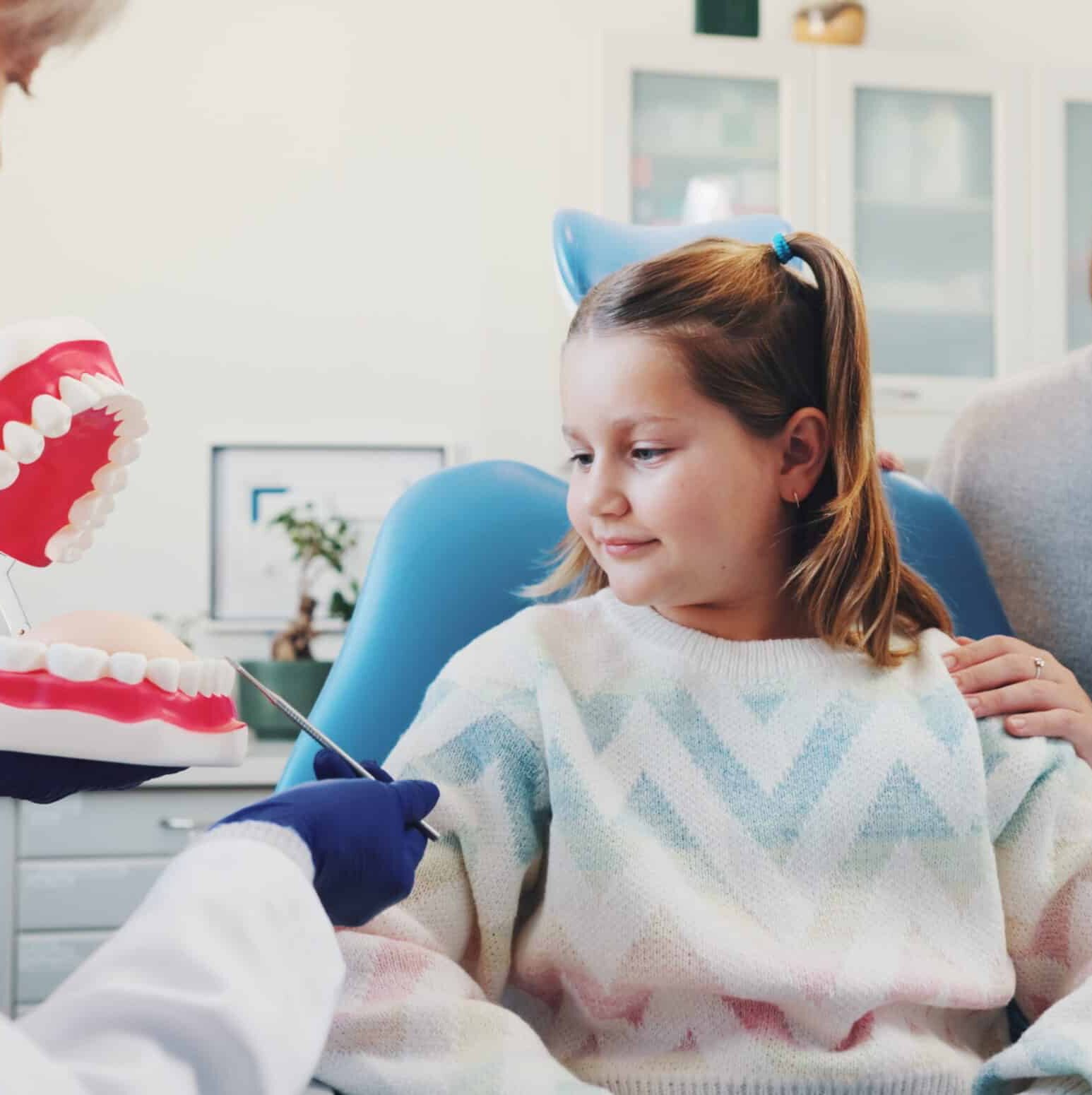
Pediatric Dental Education in Apex, NC
That first tooth pokes through, and suddenly you have questions. When should your child see a dentist? How much toothpaste is too much? Is the pacifier a problem? At Tomasheski Family Dentistry, pediatric dental care in Apex, NC starts with exactly those questions. We’re a small, family-owned practice that sees parents and kids under one roof, so your child’s first visit can happen in the same office where you already get your own teeth cleaned. Our goal from day one is simple: help your child feel at ease in the dental chair, and give you clear, practical guidance to use at home long before a cavity has a chance to form.
Care starts with a knee-to-knee exam once the first tooth erupts. You hold your baby while the dentist takes a quick look at the teeth and gums, and most of the appointment is a conversation about brushing, toothpaste amounts, diet, bottle and sippy cup habits, and thumb sucking. By about age 3 or 4, most kids are ready to sit in the chair on their own for a regular cleaning and exam with our hygienist and dentist. After that, kids dental checkups happen every six months. Dental sealants for kids come later, usually around ages 6 to 7 for the first permanent molars and ages 12 to 13 for the second.
Early visits matter because habits form early. A child who learns to brush with the right amount of toothpaste at two, and who sees the dentist as a familiar, friendly place, has a much easier time keeping up with care as a teenager and an adult. That’s the heart of children’s oral health education here. Parents are welcome to stay in the room for every visit, and we explain what we see and why we recommend it in plain terms. Because we care for the whole family, your child grows up with a team that already knows your family, and our membership plan for kids 13 and under keeps routine visits simple to budget.
When Should My Child Have Their First Dental Visit?
Plan your child’s first dental visit for when the first baby tooth comes in. You don’t need to wait for a full set of teeth or for a problem to show up. That first appointment is short and gentle, and it’s mostly for you. You’ll learn how to clean those first teeth, what belongs in the bottle and what doesn’t, and what to watch for as more teeth arrive.
Families who start later are welcome too. If your child is three and has never seen a dentist, there’s nothing to feel bad about. We’ll simply start where they are and build from there.
What Happens During a Knee-to-Knee Exam?
A knee-to-knee exam is a quick visual check where you and the dentist sit facing each other with your knees touching. You hold your baby against your chest, then lower them back so their head rests in the dentist’s lap while their body stays on yours. Your baby can see you the whole time.
From that position, the dentist can check the teeth, gums, and tongue, see how new teeth are coming in, and show you where plaque tends to collect. There’s no drilling. The look takes a few minutes, and the rest of the visit goes to your questions.
Experience our unique approach to dentistry. Schedule your visit today!
At What Age Can My Child Sit in the Dental Chair on Their Own?
Most children are ready to sit in the dental chair by themselves around age 3 or 4. By then they can follow simple directions, open wide, and stay still long enough for a regular hygiene appointment. That visit looks a lot like yours. The hygienist cleans and polishes the teeth, the dentist does an exam, and we talk through what we found.
Some kids get there a little sooner, and some need more time. We don’t push. If your child wants you right beside the chair for that first solo visit, you’re welcome there.
How Often Should Children Come in for Checkups and Cleanings?
Most children come back every six months for a cleaning and exam. Those visits let us clear away plaque and tartar that brushing misses, catch soft spots before they turn into cavities, and keep track of baby teeth falling out and adult teeth coming in. Checkups are one piece of the family dentistry care we provide for every age.
Six months is the standard rhythm for children’s dental care, but it isn’t a fixed rule. A child who tends to get cavities may do better with closer follow-up, and we’ll tell you if that’s the case.
Which Preventive Treatments Does My Child Need?
Most kids benefit from three preventive treatments: professional cleanings, fluoride, and sealants. The right mix depends on your child.
- Cleanings: every six months to remove buildup and keep gums healthy.
- Fluoride for children: kept to a minimum for young kids until they can spit reliably, then used based on cavity risk.
- Sealants: thin protective coatings on the chewing surfaces of permanent molars.
We don’t hand every child the same plan. A toddler with spotless teeth and a seven-year-old with deep molar grooves and a daily juice box need different things, so we look at age, diet, home care, and past cavities before recommending anything.
When Should Kids Get Dental Sealants?
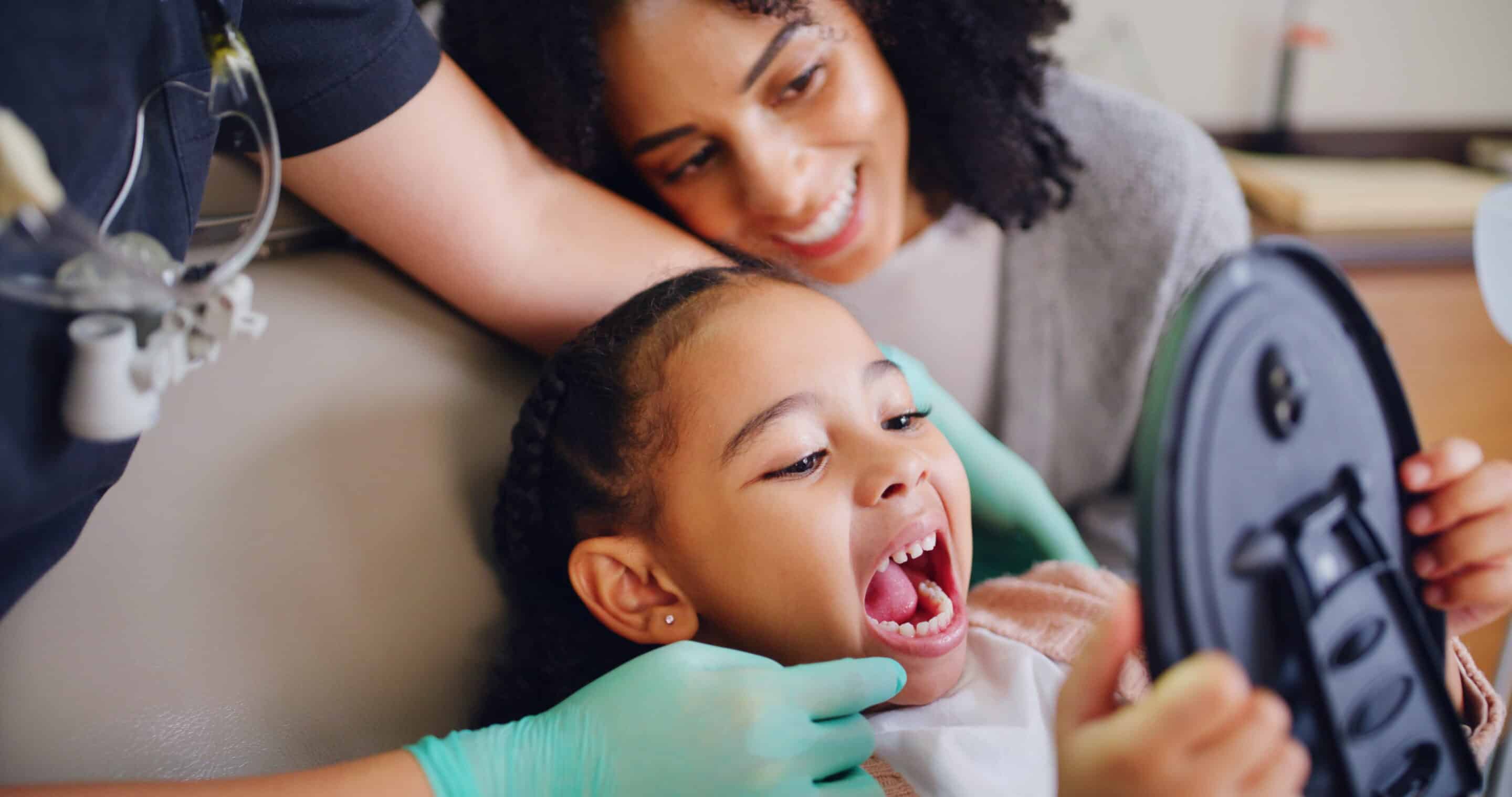
Sealants usually go on the first permanent molars around ages 6 to 7 and on the second permanent molars around ages 12 to 13, shortly after each set comes in. Those back teeth have deep pits and grooves where food and bacteria settle, and toothbrush bristles often can’t reach the bottom of them.
A sealant fills in those grooves so the chewing surface is smoother and easier to keep clean. Placing one is quick and painless. The tooth is cleaned and dried, the sealant is painted on, and it’s hardened in place. No numbing or drilling is involved, so most kids hardly notice it happened.
How Much Toothpaste Should a Young Child Use?
For babies and toddlers, a smear of fluoride toothpaste about the size of a grain of rice is plenty. Around age 3, move up to a pea-size amount. Young children tend to swallow toothpaste rather than spit it out, so keeping the amount small limits how much they take in until they learn to spit. Those amounts follow standard fluoride toothpaste guidance for young children.
At hygiene visits, our hygienist and dentist teach brushing and flossing with plain explanations, pictures, and hands-on demonstrations. Parents get the same coaching, since you’ll be helping with brushing until your child can do a thorough job alone.
How Do Bottles, Sippy Cups, and Snacks Affect Baby Teeth?
Bottles, sippy cups, and snacks affect teeth mostly through how often those teeth sit in sugar. Milk, formula, and juice all feed cavity-causing bacteria, and the longer they linger, the more damage they do. A few habits make a real difference:
- Don’t put your child to bed with a bottle of milk, formula, or juice.
- Fill sippy cups with water between meals and save juice for mealtimes, if you serve it.
- Offer snacks at set times instead of letting kids graze all day.
- Wipe gums or brush teeth after the last feeding of the night.
We cover these at early visits, because baby teeth care at home does most of the work between appointments.
Is Thumb Sucking or Pacifier Use a Problem for My Child’s Teeth?
Usually not in babies and toddlers. Sucking on a thumb or pacifier is a normal comfort habit, and many children give it up on their own during the preschool years. It becomes a concern when the habit continues as permanent teeth start coming in. Frequent, forceful sucking at that stage can push front teeth forward and change how the upper and lower teeth meet.
We watch for early signs at each exam and talk with you about gentle ways to help your child let go, like praise, small rewards, or swapping the pacifier for a favorite stuffed animal. Pressure and scolding tend to backfire.
Can Parents Stay in the Room During a Child’s Dental Visit?
Yes. Parents are more than welcome to stay in the treatment room for any visit. Many kids feel calmer with a familiar face nearby, and staying lets you hear firsthand what we find and why we recommend it.
Our team keeps the room open to questions, so ask anything that comes up, whether it’s a dark spot on a molar or how to get a stubborn toddler to brush. For anxious or first-time patients, we slow down and explain each step in kid-friendly words before we do it. A good first visit sets the tone for every one after it.
Why Choose Tomasheski Family Dentistry for Your Child’s Dental Care
We’re a small, family-owned practice built around long-term relationships. The same team sees your child from the first tooth through the teen years, so we notice changes over time instead of starting fresh at each visit. Dr. John Tomasheski and Dr. Kimberley Tomasheski both earned their DDS degrees with honors from UNC and completed hospital residency training afterward.
Choosing a family dentist for kids who also treats parents means one office, one team, and one set of records. Since we offer a full range of dental services, siblings, parents, and grandparents can all book with us. We accept many dental insurance plans, and our membership plan for children 13 and under covers two cleanings, two exams, X-rays as needed, and two fluoride treatments each year.
Give Your Child a Dental Home with Tomasheski Family Dentistry
If your baby’s first tooth just showed up, or your preschooler is due for a cleaning, now is a great time to book. Tomasheski Family Dentistry welcomes families from across Apex, NC, and parents are always welcome in the room with their child. Bring your questions about brushing, bottles, or that thumb habit, and we’ll work through them together. Call or text us at (919) 500-7088, or request your child’s appointment online, and we’ll find a time that fits your family’s schedule.