

Gum Disease Treatment
Gum Disease Treatment in Apex, NC
At Tomasheski Family Dentistry, we provide thoughtful, thorough gum disease treatment in Apex, NC, because treating gum disease early is one of the most important things you can do for your long-term oral health.
If you’ve noticed bleeding when you brush, tender or swollen gums, or a nagging feeling that something is off, our team welcomes the chance to listen, examine, and build a plan that fits your life and your history with us.
What Is Gum Disease and How Is It Treated?
Gum disease is a bacterial infection of the tissue and bone that hold your teeth in place, and it’s treated by removing the source of the infection so your gums can heal and reattach. In its earliest stage, called gingivitis, gums turn red, swollen, and bleed easily, though the damage hasn’t reached the bone yet. Left untreated, gingivitis can advance into periodontitis, the more serious stage that periodontal disease treatment is meant to stop before it costs you a tooth.
At Tomasheski Family Dentistry, care starts with a full evaluation as part of our periodontics program, then moves into a deep cleaning for gums when needed and periodontal therapy tailored to your risk factors.
What Are the Warning Signs of Periodontal Disease?
The warning signs of periodontal disease usually show up before a checkup ever happens, which is exactly why learning to recognize early gum disease signs matters so much. Most of our patients notice one or more of these on their own:
- Gums that bleed or look swollen when you brush or floss
- Soreness or tenderness around the gums, though many patients feel no pain at all in the early stages
- Persistent bad breath that doesn’t clear up with brushing
- Teeth that feel loose or have started to shift
- A hard, rough buildup of tartar you can feel with your tongue
Clinically, we look for the same signs from our side: deeper pocket depths, bleeding on probing, inflamed gum tissue, and plaque or tartar buildup along the roots. Bleeding gums treatment and gum recession care are both far simpler and more comfortable when we catch the problem early.
What Is Gum Disease and How Is It Treated?
Gum disease is a bacterial infection of the tissue and bone that hold your teeth in place, and it’s treated by removing the source of the infection so your gums can heal and reattach. In its earliest stage, called gingivitis, gums turn red, swollen, and bleed easily, though the damage hasn’t reached the bone yet. Left untreated, gingivitis can advance into periodontitis, the more serious stage that periodontal disease treatment is meant to stop before it costs you a tooth.
At Tomasheski Family Dentistry, care starts with a full evaluation as part of our periodontics program, then moves into a deep cleaning for gums when needed and periodontal therapy tailored to your risk factors.
What Are the Warning Signs of Periodontal Disease?
The warning signs of periodontal disease usually show up before a checkup ever happens, which is exactly why learning to recognize early gum disease signs matters so much. Most of our patients notice one or more of these on their own:
- Gums that bleed or look swollen when you brush or floss
- Soreness or tenderness around the gums, though many patients feel no pain at all in the early stages
- Persistent bad breath that doesn’t clear up with brushing
- Teeth that feel loose or have started to shift
- A hard, rough buildup of tartar you can feel with your tongue
Clinically, we look for the same signs from our side: deeper pocket depths, bleeding on probing, inflamed gum tissue, and plaque or tartar buildup along the roots. Bleeding gums treatment and gum recession care are both far simpler and more comfortable when we catch the problem early.
Experience our unique approach to dentistry. Schedule your visit today!
What Happens During Scaling and Root Planing?
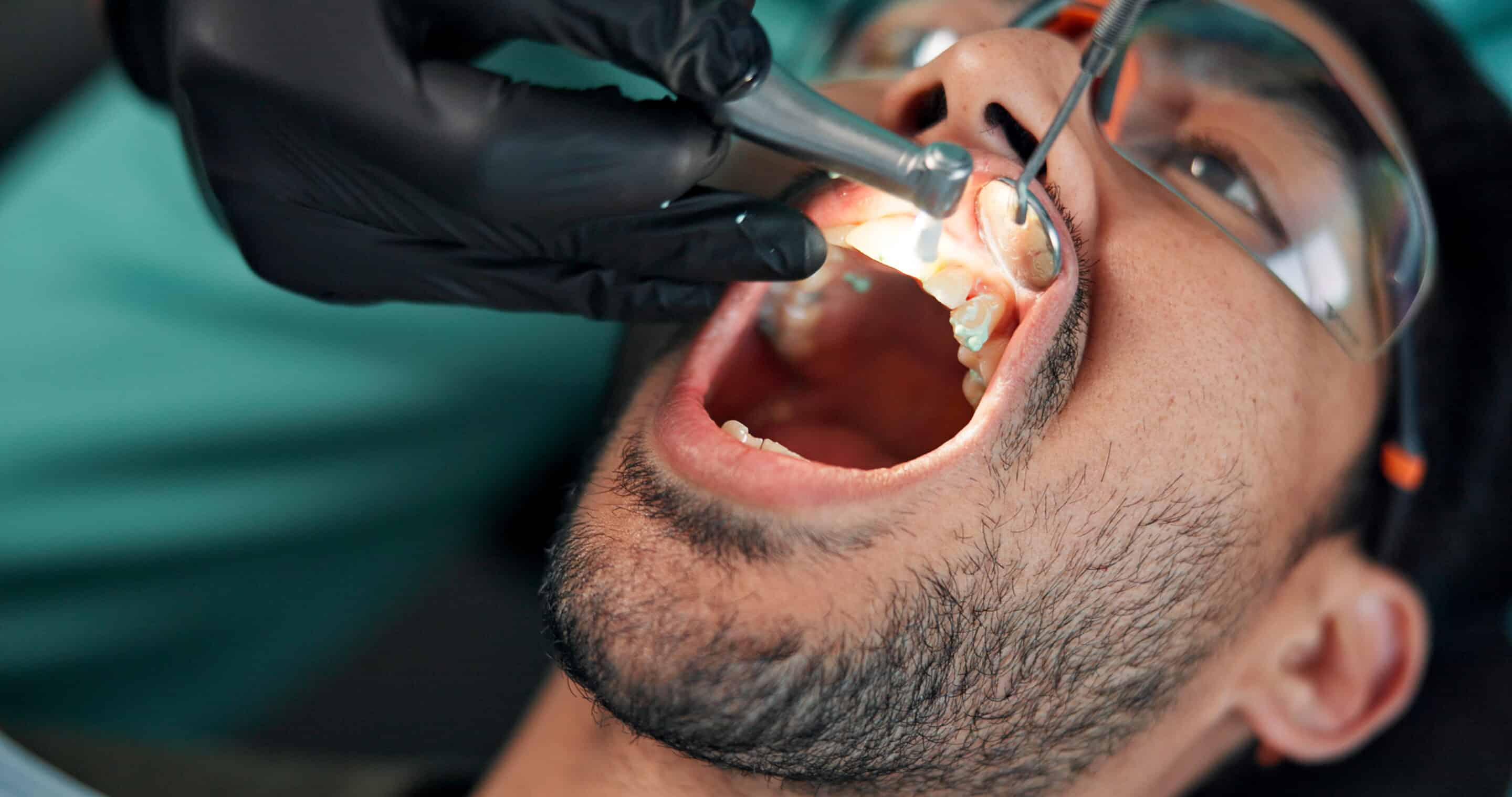
Scaling and root planing is a deeper cleaning we recommend once gum disease has advanced past what a routine cleaning can address. We anesthetize the gums first so you’re comfortable, then thoroughly clean and debride the root surfaces of your teeth along with the gum pockets themselves, removing the bacteria hiding below the gumline. This deep cleaning for gums gives inflamed tissue the chance to heal and reattach.
Can Gum Disease Be Reversed if Caught Early?
Yes, mild or early gum disease typically responds well to routine prophylaxis, a professional cleaning, paired with education on the right home care habits for your mouth specifically. Once the disease progresses into periodontitis, the goal shifts from reversal to control: we stop the infection, help your gums reattach where possible, and prevent further bone loss, though tissue that has already receded generally won’t grow back. This is exactly why gingivitis treatment early on is so much simpler than periodontal disease treatment further along.
How Many Deep Cleaning Visits Will I Need?
Most patients need one to two visits to complete scaling and root planing, depending on how much tartar has built up and how many areas are affected. We often split treatment into two appointments, working one side of the mouth at a time so the numbing wears off evenly. After your deep cleaning, we schedule a follow-up to check healing before moving into a regular maintenance schedule.
Cost varies with the severity of your gum disease and the treatment needed, which is why we always encourage excellent home care and regular checkups: preventing gum disease is simpler and more cost-effective than treating it later.
What Happens During Scaling and Root Planing?
Scaling and root planing is a deeper cleaning we recommend once gum disease has advanced past what a routine cleaning can address. We anesthetize the gums first so you’re comfortable, then thoroughly clean and debride the root surfaces of your teeth along with the gum pockets themselves, removing the bacteria hiding below the gumline. This deep cleaning for gums gives inflamed tissue the chance to heal and reattach.
Can Gum Disease Be Reversed if Caught Early?
Yes, mild or early gum disease typically responds well to routine prophylaxis, a professional cleaning, paired with education on the right home care habits for your mouth specifically. Once the disease progresses into periodontitis, the goal shifts from reversal to control: we stop the infection, help your gums reattach where possible, and prevent further bone loss, though tissue that has already receded generally won’t grow back. This is exactly why gingivitis treatment early on is so much simpler than periodontal disease treatment further along.
How Many Deep Cleaning Visits Will I Need?
Most patients need one to two visits to complete scaling and root planing, depending on how much tartar has built up and how many areas are affected. We often split treatment into two appointments, working one side of the mouth at a time so the numbing wears off evenly. After your deep cleaning, we schedule a follow-up to check healing before moving into a regular maintenance schedule.
Cost varies with the severity of your gum disease and the treatment needed, which is why we always encourage excellent home care and regular checkups: preventing gum disease is simpler and more cost-effective than treating it later.

Is Periodontal Treatment Painful?
Periodontal treatment shouldn’t be painful, since we anesthetize the area thoroughly before any procedure begins. Most patients feel pressure or vibration from the instruments but little to no discomfort. Afterward, gums may feel tender for a day or two, similar to a vigorous flossing session. We know dental anxiety is real, so our team takes extra time with nervous patients, explaining each step and adjusting our pace so you stay in control.
Is Periodontal Treatment Painful?
Periodontal treatment shouldn’t be painful, since we anesthetize the area thoroughly before any procedure begins. Most patients feel pressure or vibration from the instruments but little to no discomfort. Afterward, gums may feel tender for a day or two, similar to a vigorous flossing session. We know dental anxiety is real, so our team takes extra time with nervous patients, explaining each step and adjusting our pace so you stay in control.
How Often Should I Have Periodontal Maintenance Visits?
Once active treatment is finished, most patients return for periodontal maintenance every three to four months, rather than the standard six-month cleaning schedule. Gum disease tends to return without consistent care, and these more frequent visits let us monitor pocket depth, remove new buildup before it hardens, and catch any regression early. Your exact schedule depends on how your gums respond to treatment and your personal risk factors.
What Causes Gum Disease to Develop in the First Place?
Gum disease develops when plaque and bacteria build up along the gumline long enough to trigger an infection, though it can be sneaky: some cases move slowly and quietly for years before anyone notices, while others advance rapidly depending on the type of bacteria in a person’s oral biofilm or an underlying condition like diabetes. A few common contributors show up again and again:
- Inconsistent brushing and flossing that lets plaque harden into tartar
- Smoking or tobacco use, which slows healing and can mask early symptoms
- Diabetes and other conditions that affect blood sugar and circulation
- A genetic tendency toward gum disease even with good home care
Research continues to show a real connection between gum disease and conditions like diabetes and heart disease, which is one reason we treat periodontal health as part of your overall wellbeing rather than an isolated concern.
Can Untreated Gum Disease Lead to Tooth Loss?
Yes, untreated gum disease is the leading cause of tooth loss in adults, since the infection gradually destroys the bone and ligament holding your teeth in place. As the disease advances, teeth can loosen, shift, or eventually require extraction. The good news is that this outcome is largely preventable. With consistent periodontal maintenance and prompt attention to symptoms, most patients keep their natural teeth for life.
What Can I Do at Home to Support Healthy Gums Between Visits?
The single most important thing you can do at home is keep up excellent oral hygiene, brushing and flossing consistently between your visits with us.
- Brush for two minutes, morning and night, with a soft-bristled brush
- Floss daily to clear plaque from between teeth and along the gumline
- Add a waterpik or recommended mouthwash for extra support
- Avoid tobacco products, which slow healing and hide early warning signs
- Keep every periodontal maintenance appointment, even when your gums feel fine
Consistency at home combined with regularly scheduled cleanings here at our office is what makes professional care last, and it’s the simplest way to protect the progress we make together.
Why Choose Tomasheski Family Dentistry for Gum Disease Treatment
Choose Tomasheski Family Dentistry because we’re a family owned practice that prioritizes building real relationships with our patients, educating you about your oral health, and delivering genuinely excellent care rather than gum disease treatment that feels transactional. Dr. John and Dr. Kimberley Tomasheski built this practice around that philosophy, and it shows in how much time they spend explaining your treatment and answering your questions.
Our team provides deep cleaning for gums and periodontal maintenance right here as part of our comprehensive family dental care, so you’re never bounced between offices for a problem we can treat in-house.
Schedule Your Periodontal Evaluation at Tomasheski Family Dentistry
Schedule your periodontal evaluation by calling, texting, or reaching out through our contact form, and we’ll find a time that works with your schedule. Whether you’re dealing with bleeding gums, gum recession, or simply haven’t had a cleaning in a while, we’ll give you a clear, honest picture of your gum health and a plan you can follow.
Families throughout our community trust Tomasheski Family Dentistry for healthy gums because we treat every visit as the start of a relationship, not a transaction. Reach out today, and let’s get your gums back on track together.