
Inlays and Onlays

Dental Inlays and Onlays in Apex, NC
Tomasheski Family Dentistry provides dental inlays and onlays for patients who need to restore a compromised tooth while preserving as much healthy natural tooth structure as possible. As a family-owned practice, we focus on relationship-based care, patient education, and personalized recommendations so you can understand your options and feel confident about your treatment.
When a tooth has been weakened by decay, wear, cracks, or a large previous restoration, a standard filling may not always provide the support the tooth needs. At the same time, a full crown may not always be necessary. In those situations, a custom tooth restoration can help rebuild the damaged portion of the tooth while maintaining the natural structure that is still strong and healthy.
What Are Custom Inlay and Onlay Restorations?
Custom inlay and onlay restorations are restorative dental treatments used to repair teeth that have been compromised but still have enough healthy structure to preserve. They are often recommended for teeth affected by decay, damage, wear, or older restorations that need to be replaced.
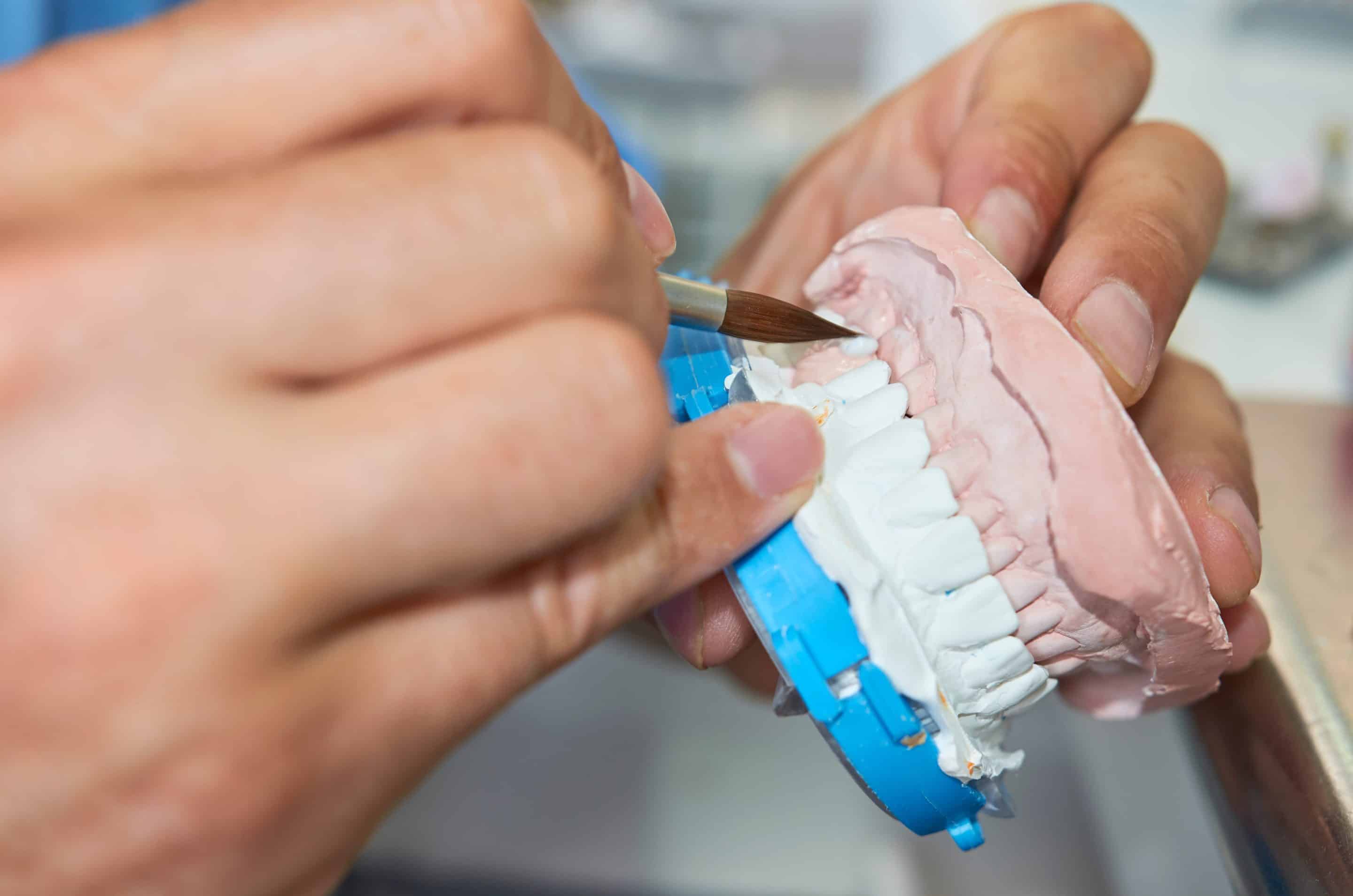
These treatments are known as indirect restorations. That means they are made outside of the mouth, typically by a dental laboratory, and then cemented into place after they are carefully fitted to the tooth. This differs from a standard filling, which is placed directly into the tooth during the appointment.
The goal is to restore the tooth’s form, function, strength, and contour while keeping as much natural tooth structure as possible. For many patients, this can be a conservative way to repair a weakened tooth without covering the entire tooth with a crown.
What Is the Difference Between a Dental Inlay and a Dental Onlay?
A dental inlay fits within the inside portion of the tooth and does not cover the cusp tips. The cusp tips are the raised points on the chewing surface of the tooth.
A dental onlay covers one or more cusp tips. This option is often recommended when the damage reaches the raised biting surfaces and the tooth needs added coverage for strength and function.
What Are Custom Inlay and Onlay Restorations?
Custom inlay and onlay restorations are restorative dental treatments used to repair teeth that have been compromised but still have enough healthy structure to preserve. They are often recommended for teeth affected by decay, damage, wear, or older restorations that need to be replaced.
These treatments are known as indirect restorations. That means they are made outside of the mouth, typically by a dental laboratory, and then cemented into place after they are carefully fitted to the tooth. This differs from a standard filling, which is placed directly into the tooth during the appointment.
The goal is to restore the tooth’s form, function, strength, and contour while keeping as much natural tooth structure as possible. For many patients, this can be a conservative way to repair a weakened tooth without covering the entire tooth with a crown.
What Is the Difference Between a Dental Inlay and a Dental Onlay?
A dental inlay fits within the inside portion of the tooth and does not cover the cusp tips. The cusp tips are the raised points on the chewing surface of the tooth.
A dental onlay covers one or more cusp tips. This option is often recommended when the damage reaches the raised biting surfaces and the tooth needs added coverage for strength and function.
Experience our unique approach to dentistry. Schedule your visit today!
When Would I Need a Lab-Made Restoration Instead of a Dental Filling?
A dental filling and a lab-made restoration can both restore a tooth back to form and function. One is not automatically better than the other. The right choice depends on the condition of the tooth, the size of the damaged area, and how much healthy tooth structure remains.
A filling is completed directly in the tooth by the dentist. This is often a good option for smaller areas of decay or damage. A lab-made restoration may be recommended when the compromised area is larger, when an old restoration needs to be replaced, or when the tooth needs more support than a direct filling can provide.
- Fillings are direct restorations: A dental filling is placed chairside by the dentist and bonded directly into the tooth during the visit.
- Lab-made restorations are indirect restorations: An inlay or onlay is custom-made outside the mouth and then cemented into place for a precise fit.
- Treatment depends on the tooth: Our dentists consider the size of the damaged area, remaining tooth structure, bite forces, oral habits, and long-term function before recommending the best option.
How Are These Restorations Different From Dental Crowns?
A dental crown covers the entire visible portion of the tooth. Crowns are often recommended when a tooth needs full coverage due to more extensive damage, structural weakness, or previous treatment.
A partial restoration repairs the compromised part of the tooth without covering the entire tooth. When enough healthy structure remains, this can be a more conservative option than a crown.
Crowns Cover the Entire Tooth
A full dental crown is designed to surround the entire tooth above the gumline. This can be the right solution when the tooth needs more complete support and protection.
Partial Restorations Preserve Natural Tooth Structure When Appropriate
When only part of the tooth needs repair, a partial restoration may allow us to maintain healthy structure while rebuilding the weakened area. This supports the natural shape, contour, and integrity of the tooth.
Some patients may benefit from closer monitoring based on their health history, symptoms, tobacco use, previous abnormal findings, or other risk factors. Our team will provide guidance based on your needs rather than using a one-size-fits-all approach.
Consistent dental visits allow us to compare tissue changes over time and help patients stay proactive about their oral and overall health.
When Would I Need a Lab-Made Restoration Instead of a Dental Filling?
A dental filling and a lab-made restoration can both restore a tooth back to form and function. One is not automatically better than the other. The right choice depends on the condition of the tooth, the size of the damaged area, and how much healthy tooth structure remains.
A filling is completed directly in the tooth by the dentist. This is often a good option for smaller areas of decay or damage. A lab-made restoration may be recommended when the compromised area is larger, when an old restoration needs to be replaced, or when the tooth needs more support than a direct filling can provide.
- Fillings are direct restorations: A dental filling is placed chairside by the dentist and bonded directly into the tooth during the visit.
- Lab-made restorations are indirect restorations: An inlay or onlay is custom-made outside the mouth and then cemented into place for a precise fit.
- Treatment depends on the tooth: Our dentists consider the size of the damaged area, remaining tooth structure, bite forces, oral habits, and long-term function before recommending the best option.
How Are These Restorations Different From Dental Crowns?
A dental crown covers the entire visible portion of the tooth. Crowns are often recommended when a tooth needs full coverage due to more extensive damage, structural weakness, or previous treatment.
A partial restoration repairs the compromised part of the tooth without covering the entire tooth. When enough healthy structure remains, this can be a more conservative option than a crown.
Crowns Cover the Entire Tooth
A full dental crown is designed to surround the entire tooth above the gumline. This can be the right solution when the tooth needs more complete support and protection.
Partial Restorations Preserve Natural Tooth Structure When Appropriate
When only part of the tooth needs repair, a partial restoration may allow us to maintain healthy structure while rebuilding the weakened area. This supports the natural shape, contour, and integrity of the tooth.
Some patients may benefit from closer monitoring based on their health history, symptoms, tobacco use, previous abnormal findings, or other risk factors. Our team will provide guidance based on your needs rather than using a one-size-fits-all approach.
Consistent dental visits allow us to compare tissue changes over time and help patients stay proactive about their oral and overall health.
What Are the Benefits of Conservative Tooth Restoration?
The main benefit of a conservative tooth restoration is that it helps restore a compromised tooth while preserving healthy natural structure whenever possible. This approach can support both function and appearance.
Potential benefits include:
- Restoring damaged or weakened areas of a tooth
- Preserving healthy tooth structure
- Supporting normal chewing and bite function
- Helping maintain the natural shape and contour of the tooth
- Providing a custom fit
- Offering durable material options
- Creating a natural-looking result when tooth-colored materials are used
What Materials Are Used for These Tooth Restorations?
Custom tooth restorations can be made from several materials. The right material depends on the tooth’s location, bite forces, appearance goals, size of the restoration, and clinical recommendation.
Common materials include:
- Emax, also known as lithium disilicate
- Zirconia
- Gold
- Other ceramic or tooth-colored options when appropriate
Ceramic Restorations
Ceramic dental restorations, including Emax and zirconia, are commonly used because they can offer strength and a natural appearance. These materials may be a good fit for patients who want the restoration to blend with surrounding teeth.
Gold Restorations
Gold dental restorations have a long history in dentistry and may be recommended in select cases because of their durability. Our dentists will discuss whether gold or a tooth-colored option makes more sense for your needs.
What Materials Are Used for These Tooth Restorations?
Custom tooth restorations can be made from several materials. The right material depends on the tooth’s location, bite forces, appearance goals, size of the restoration, and clinical recommendation.
Common materials include:
- Emax, also known as lithium disilicate
- Zirconia
- Gold
- Other ceramic or tooth-colored options when appropriate
Ceramic Restorations
Ceramic dental restorations, including Emax and zirconia, are commonly used because they can offer strength and a natural appearance. These materials may be a good fit for patients who want the restoration to blend with surrounding teeth.
Gold Restorations
Gold dental restorations have a long history in dentistry and may be recommended in select cases because of their durability. Our dentists will discuss whether gold or a tooth-colored option makes more sense for your needs.
What Happens During the Dental Restoration Procedure?
The process usually involves preparing the tooth, taking an impression or scan, placing a temporary restoration if needed, and then securing the final restoration once it is ready.
At Tomasheski Family Dentistry, we explain each step before treatment begins so you know what to expect and why each part of the process matters.
First Visit: Tooth Preparation and Impressions
During the first visit, the dentist evaluates the tooth and reviews your treatment options. If this type of restoration is recommended, the compromised area, decay, or old restoration is removed. The tooth is then shaped while preserving healthy structure when possible.
An impression or scan is taken so the dental laboratory can create the final restoration. A temporary restoration may be placed to protect the tooth while the final piece is being made.
Second Visit: Final Fit and Placement
At the second visit, the temporary restoration is removed. The final restoration is checked for fit, comfort, shape, and bite. Once everything looks and feels right, it is cemented or bonded into place.
How Long Do Custom Tooth Restorations Last?
The lifespan of a custom dental restoration varies from patient to patient. Longevity depends on several factors, including the size of the restoration, oral hygiene, bite forces, routine dental visits, and habits such as clenching, grinding, or chewing hard objects.
Our dental team can help you understand what to expect based on your specific tooth and treatment plan.
How Should I Care for My Tooth After Treatment?
After treatment, you should care for the restored tooth much like your natural teeth. Good home care and routine dental visits can help protect the restoration and reduce the risk of future problems.
Helpful care steps include:
- Brush twice daily
- Floss once daily
- Keep regular dental checkups
- Avoid chewing ice, pens, or other very hard objects
- Wear a nightguard if one is recommended for clenching or grinding
- Contact our practice if your bite feels uneven or the restoration feels loose
How Much Does This Restorative Treatment Cost?
The cost of a custom restorative treatment varies based on the size of the restoration, material selected, tooth location, complexity of the case, and insurance benefits. Because each tooth is different, the best way to receive accurate information is to schedule an evaluation.
Our team will review the recommended treatment, explain your options, and help you understand the next steps before moving forward.
Factors That Influence Cost
Cost may depend on:
- The amount of tooth structure being restored
- The material used
- The complexity of the tooth preparation
- Whether an old restoration or decay must be removed
- Insurance coverage or benefits
Why Choose Tomasheski Family Dentistry for Restorative Dental Care?
Our practice provides comprehensive general, cosmetic, and restorative dentistry, which allows many patients to receive the care they need in one familiar place. We also place a strong emphasis on continuing education and thoughtful treatment planning.
- Family-owned practice: Led by Dr. John Tomasheski and Dr. Kimberley Tomasheski, our practice is built around trust, relationships, and long-term care.
- Patient education: We take time to explain what we see, why treatment may be recommended, and how each option can support your oral health.
- Comprehensive care: Our team provides general, cosmetic, and restorative dentistry, allowing many patients to receive care in one familiar place.
- Personalized treatment plans: We recommend care based on your tooth, your goals, and your long-term dental health.
- Comfortable experience: We work to create a welcoming dental home where patients feel known, respected, and supported.
Our team will review the recommended treatment, explain your options, and help you understand the next steps before moving forward.
Factors That Influence Cost
Cost may depend on:
- The amount of tooth structure being restored
- The material used
- The complexity of the tooth preparation
- Whether an old restoration or decay must be removed
- Insurance coverage or benefits
Schedule a Dental Onlay or Inlay Consultation in Apex, NC
If you have a damaged tooth, a large old filling, decay, or concerns about tooth strength, Tomasheski Family Dentistry in Apex, NC is here to help. Our team offers personalized restorative care designed to repair compromised teeth while preserving healthy natural tooth structure whenever possible. Call, text, or request an appointment through our website form to schedule your visit.